

The 2026 midterm election results will determine control of the US House of Representatives and Senate, along with the outcomes of governor races, state legislative contests, and ballot measures across the country. Election Day is November 3, 2026. As of November 2, voting has not yet taken place on Election Day, so final nationwide results are not available.
This guide explains what voters are deciding, which races to follow, how vote counting works, and where to find verified results as states report their totals. It also explains why some races may take longer than others to call and why early vote totals should not be mistaken for final outcomes.
Are the 2026 Midterm Election Results Available Yet?
No. As of November 2, 2026, Election Day is still one day away. Voters will cast ballots on Tuesday, November 3, and election offices will begin publishing preliminary totals after polls close.
Early voting has already taken place across the country. CBS News reported that more than 54 million Americans had voted early by November 1, citing the University of Florida Election Lab tracker. Those ballots are part of the election process, but early voting totals do not reveal the final winners. CBS News
2026 Midterm Election Results The first results may arrive on election night, but the order and speed of reporting will vary by state. Some races could be called relatively quickly. Others may remain uncalled for days while officials count eligible ballots and resolve close contests.
For readers checking updates, the most important distinction is between unofficial vote totals, media race calls, and certified results. These are separate stages, and they do not happen at the same time.
What Is at Stake in the 2026 Midterm Elections?

Spotlight on the Capitol Grounds | U.S. Capitol – Visitor Center
The 2026 midterms will determine the makeup of the next Congress and influence political leadership in Washington for the rest of President Donald Trump’s current term. Voters will elect all 435 members of the House of Representatives and one third of the Senate. They will also choose governors in 36 states and decide thousands of state legislative and local contests. Reuters
The two chambers of Congress have different election schedules. Every House seat is on the ballot every two years, while senators serve six year terms. This means only a portion of the Senate changes during each regular election cycle.
Control of the House of Representatives
Republicans entered the election with a narrow 218 to 214 House advantage. Two seats were vacant, and one independent member caucused with Republicans. Democrats needed a net gain of four seats to secure a majority under the pre-election seat count reported by Reuters. Reuters
A change in House control would affect which party chooses the Speaker, leads committees, schedules votes, and decides which legislation receives attention. The majority party also has considerable influence over hearings and congressional investigations.
The House is especially important because every district is on the ballot. A small number of close races can determine which party controls the chamber, even if the national popular vote tells a different story.
Control of the US Senate
Republicans held a 53 to 47 Senate majority entering Election Day. Democrats needed a net gain of four seats to take control, according to Reuters’ pre-election breakdown. Reuters
The Senate has 100 seats, with each state represented by two senators. Its responsibilities include voting on federal legislation, confirming many presidential nominees, and approving treaties.
The Senate map is different from the House map because only a portion of seats are contested in a regular election. That makes individual state races especially important. A party can win the national House vote and still fail to gain control of the Senate.
Governor and State Legislature Races
Voters will also choose governors in 36 states. These contests matter because governors lead state governments, approve or veto legislation, propose budgets, and oversee executive agencies. Their influence can extend to education, transportation, public safety, health programs, and state election administration. Reuters
State legislative races are also on the ballot in nearly every state. These elections often receive less national attention than congressional contests, but they can shape state laws and budgets for years.
Local races and ballot measures add another layer. Depending on the state and county, voters may decide questions about taxes, schools, public services, constitutional amendments, and local government.
Key Senate Races to Follow
The Senate contests in several states are receiving national attention because they could affect the chamber’s balance. Reuters identified races in Maine, Ohio, North Carolina, Iowa, and Georgia among the contests that could help determine Senate control. It also reported major campaign spending in Texas, Ohio, and Michigan. Reuters
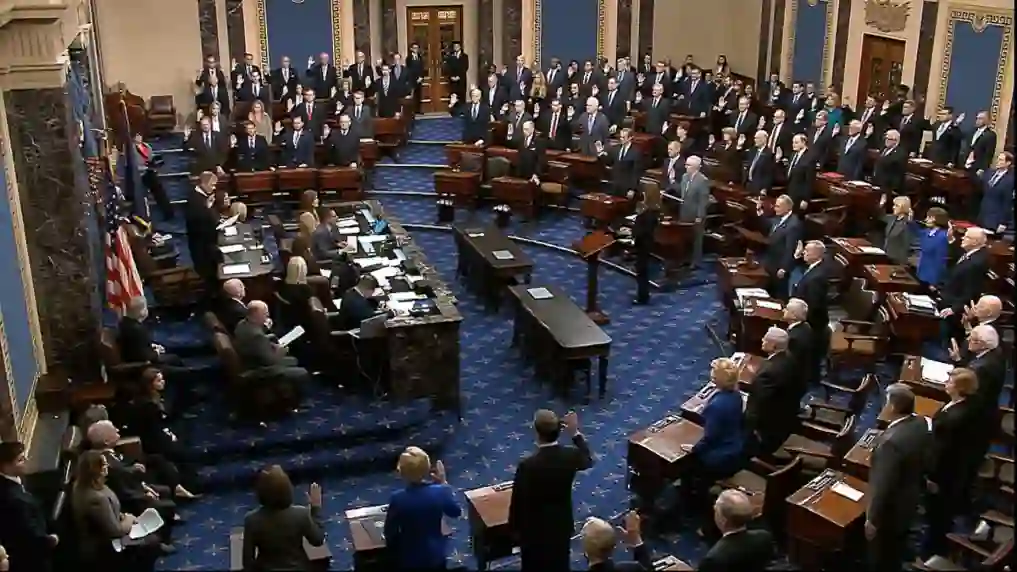
US-Senat: Mitglieder, Aufgaben und Wahl der Parlamentskammer
These races should be followed individually rather than treated as one national contest. Each state has its own candidates, voter groups, local concerns, and counting rules.
Maine
Maine is one of the Senate contests to watch. Its result will contribute to the national seat count, but the statewide total may not be clear immediately if the margin is close or outstanding ballots remain.
When following the race, check the county level reporting and the official state results page. Do not assume that an early lead in one part of the state represents the final statewide outcome.
Ohio
Ohio is another closely watched Senate battleground. Reuters reported that the state was among the leading destinations for campaign advertising spending before Election Day. Reuters
The result matters beyond the candidates involved because it will count toward the Senate majority. Follow the reported vote totals, the number of outstanding ballots, and any official updates about the canvass.
North Carolina
North Carolina is also among the Senate races identified by Reuters as important to control of the chamber. Its statewide result will be part of the broader contest for the Senate majority. Reuters
As with other states, early totals should be read with care. The mix of Election Day votes, early ballots, and mail ballots can affect the order in which different areas report.
Iowa
Iowa is another state to monitor in the Senate results. A close contest could take longer to resolve than a race with a clear margin and few outstanding ballots.
Readers should look for official county and state updates instead of relying on isolated vote snapshots shared on social media.
Georgia
Georgia is part of the group of Senate contests Reuters highlighted as potentially important to the chamber’s balance. Reuters
The final outcome will depend on the ballots counted under state law. If a race is close, additional counting or a recount process may affect when the result becomes final.
Texas and Michigan
Texas and Michigan also deserve attention. Reuters reported that both states were among the major battlegrounds for Senate campaign advertising. CBS News also included Texas and Michigan in its final pre-election coverage of competitive contests. Reuters+1
For both states, follow the Senate contest separately from House and statewide races. A state’s overall political result is not a substitute for the official count in a specific contest.
House Races That Could Affect the Majority

The House majority may come down to a small group of competitive districts. Unlike the Senate, where statewide votes decide each contest, House races are decided district by district.
Reuters highlighted several contests that could attract national attention, including Republican Representative Mike Lawler’s reelection campaign in New York, an open seat in a Nebraska swing district, and competitive seats in Pennsylvania and New Jersey. Reuters
New York’s 17th Congressional District
Republican Representative Mike Lawler is seeking reelection in New York’s 17th District. Reuters noted that Kamala Harris won the district in the 2024 presidential election. That history makes the district an important point of interest, but presidential voting patterns do not determine the result of a separate congressional race. Reuters
The district’s result will add one seat to the House count. If the contest is close, outstanding ballots and the state’s counting procedures will matter.
Nebraska’s 2nd Congressional District
An open House seat in Nebraska’s swing district is another contest identified by Reuters. The race has drawn attention because it could contribute to the balance of power in the House. Reuters
An open seat means the current member is not running for reelection. Voters are choosing a new representative, and the winner will serve the district in the next Congress.
Pennsylvania and New Jersey
Democrats are also targeting two Republican held House seats in Pennsylvania and one in New Jersey, according to Reuters’ pre-election coverage. Reuters
These contests are important because the House majority can change through a relatively small number of district results. A national vote total does not directly decide control of the chamber. The party that wins enough individual districts secures the majority.
Governor Elections and State Results

Americans Voting in an Election
The 2026 governor elections will produce results in 36 states. These races determine who leads state executive branches and can affect policy decisions on budgets, schools, public safety, infrastructure, and healthcare programs. Reuters
Governor results should be tracked separately from congressional results. A state can elect a governor from one party and send senators or House members from another. Voters make separate choices for each office.
Why Governor Races Matter
Governors have direct responsibility for state agencies and play a major role in setting state policy priorities. They work with state legislatures on budgets and legislation, and they can sign or veto bills depending on state law.
Some governors also have authority over appointments to state boards and agencies. The exact powers differ from state to state, so the impact of an election depends on the state’s constitution and laws.
State Legislative Results
State legislative elections may shape policy long after the national headlines move on. Legislators write and vote on state laws, approve budgets, and conduct oversight of state agencies.
In many states, the legislature also plays a role in redistricting, subject to state and federal rules. That makes state legislative control important for future congressional and legislative district maps.
Ballot Measures
Some voters will also decide ballot measures. These can include proposed constitutional amendments, tax questions, education funding, public spending, and other state or local issues.
Ballot measure results may appear alongside candidate results on official election websites. Read the full wording of each measure before interpreting a percentage or headline. A yes vote and a no vote can have different legal meanings depending on how the proposal is written.
When Will the 2026 Midterm Election Results Come In?
The first unofficial totals are expected after polls close on November 3. There is no single national release time because states and local election offices report at different speeds.
A recent Votebeat guide explains that counting more than 100 million ballots takes time and that some states may not report most of their votes on election night. States with large numbers of mail ballots can take longer because officials must verify signatures and prepare ballots for counting. Votebeat
What Happens on Election Night
Election offices generally release preliminary totals after polls close. These numbers can include ballots counted on Election Day and ballots processed earlier under state rules.
News organizations may use those totals, along with information about outstanding ballots and historical voting patterns, to project a winner. A media projection is not the same as an official certification by election authorities.
Some contests may be called on election night. Others may remain too close to call until more ballots are counted. That is a normal part of the process, not proof that something improper has happened. Votebeat+1
Why Some States Report Faster
The speed of reporting depends on several factors:
- Mail ballot rules: States have different deadlines and procedures for receiving, checking, and counting mail ballots.
- Early ballot processing: Some states allow officials to prepare mail ballots before Election Day. Others require more work to wait until Election Day.
- Local resources: Counties differ in staffing, equipment, and the number of ballots they must process.
- Close races: A narrow margin can require officials and news organizations to wait for more ballots before determining the outcome.
- Provisional ballots: These ballots need additional checks before officials can include them in the final count.
At least 45 states and Washington, DC, allow or require some processing of mail ballots before Election Day, according to the Center for Election Innovation and Research’s fall 2026 review. The exact steps permitted vary by state. Election Innovation & Research
Why California and Other States May Take Longer
A state with a large number of mail ballots may continue reporting after election night. Votebeat’s review of past reporting patterns notes that California had a substantial share of ballots outstanding well into the day after the 2024 election. The guide cautions that historical reporting speed is useful context, not a guarantee for 2026. Votebeat
The same principle applies to every state. A slower count does not automatically indicate a problem. Election offices must follow their state’s rules and account for eligible ballots before finalizing the result.

How to Read Election Night Results
A results page can show several numbers at once. Understanding what each number means helps prevent confusion when totals change during the night.
| Term | What it means |
|---|---|
| Votes counted | Ballots included in the reported total so far |
| Percentage reporting | The share of expected precinct or vote reporting units that have submitted results |
| Unofficial results | Preliminary totals released before certification |
| Race called | A news organization projects a winner |
| Canvass | Officials check and reconcile election records and vote totals |
| Certification | The authorized election officials confirm the final result |
What Does 100% of Precincts Reporting Mean?
It usually means all expected precincts or reporting units have submitted their initial results. It does not always mean every eligible ballot has been counted or that the result is certified.
The U.S. Election Assistance Commission explains that results can remain unofficial even when a reporting page shows 100% of precincts reporting. Mail, provisional, military, and overseas ballots may still need to be included, depending on state law. U.S. Election Assistance Commission+1
What Does Too Close to Call Mean?
A race is too close to call when the available information does not support a reliable projection of the winner. More ballots may need to be counted before a news organization can make a call.
This label does not mean the election has been suspended. Officials continue their work under state procedures, and news organizations update their assessments as new information becomes available.
What Is a Recount?
A recount is another count of ballots in a contest. State laws determine when a recount is automatic, who can request one, and what margin or conditions apply.
A recount is different from an audit. An audit checks election procedures or equipment to verify accuracy, while a recount reviews the votes in a particular contest. The EAC explains that recount rules and certification timelines vary across states. U.S. Election Assistance Commission

Where to Check Official 2026 Election Results
For the most reliable updates, start with the state election office responsible for counting and certifying votes. National news organizations can help readers follow competitive races, but state and local election officials provide the official results.
The Federal Election Commission explains that it does not administer elections or certify their results. Those responsibilities belong primarily to state and local authorities. Election and voting information
Here are useful sources to keep open on Election Day:
- U.S. Election Assistance Commission: Find links to state and territory election websites.
- Federal Election Commission: Access federal election and voting information, including links to state election offices.
- Reuters US News: Follow national election coverage and reported results.
- CBS News Politics: Follow live election coverage and updates.
- Votebeat: Read reporting about election administration, ballot counting, and state procedures.
For a specific Senate or House race, use the relevant state’s official results page as your main reference. National dashboards are convenient, but the official state source is the place to confirm reported totals and certification information.

Why Election Results Can Change After Election Night
Preliminary totals can change as additional eligible ballots are counted. This does not automatically mean that earlier numbers were incorrect. It means the first report may not include every ballot that can legally be counted.
The Election Assistance Commission says that states have different rules for mail ballots, provisional ballots, and military and overseas voting. Some states allow certain mail ballots to arrive after Election Day if they meet the state’s requirements. U.S. Election Assistance Commission
Mail and Absentee Ballots
Mail and absentee ballots require specific checks before they can be counted. Depending on state law, officials may need to verify signatures, confirm voter eligibility, and process ballot envelopes.
Some states begin parts of this work before Election Day. Others have restrictions on when officials can start. These differences help explain why two states can report at very different speeds.
Provisional Ballots
A provisional ballot is used when a voter’s eligibility or registration information needs additional review at the polling place. Election officials check the relevant records before deciding if the ballot can be counted.
The ballot is not automatically rejected. It is reviewed under the state’s rules, and eligible provisional ballots are included in the final count.
Military and Overseas Ballots
Military personnel and eligible US citizens living overseas have voting procedures that account for their location and circumstances. Their ballots may be subject to different delivery and counting deadlines under federal and state law.
These ballots can remain outstanding after Election Day. Their inclusion is part of completing the lawful count, not a separate election.
Canvassing and Certification
After ballots are counted, election officials conduct a canvass. This process checks and reconciles voting records, ballot totals, and other required information.
States then complete their certification procedures. The EAC notes that final certification can take several days or weeks, depending on the jurisdiction and the election. U.S. Election Assistance Commission+1

What the 2026 Midterm Results Could Mean for Congress
The election will shape the balance of power in Washington. The outcome will affect which party leads each chamber, how committees operate, and which proposals receive attention.
The 2026 midterm election results will also provide a measure of how voters are responding to the current administration and the work of Congress. However, the results should be understood through the individual races, not reduced to one national political verdict.
If the House Changes Hands
The party holding the House majority selects the Speaker and controls the chamber’s committee structure. That party also has substantial influence over which bills reach the floor.
A change in control can alter the legislative agenda and congressional oversight. The minority party still has representation and can participate in debates, committee work, and votes, but it has less control over the chamber’s schedule.
If the Senate Changes Hands
Senate control affects the chamber’s leadership, committee assignments, legislative calendar, and consideration of presidential nominees.
The Senate also has a role in confirming federal judges and many executive branch appointments. A different majority can therefore change the pace and direction of those decisions.
If Congress Remains Divided
It is possible for the two chambers to be controlled by different parties. When that happens, passing major legislation can require agreement across party lines.
A divided Congress can also increase the importance of negotiations over spending bills, government funding, and other legislation that needs approval from both chambers.

Why State Elections Matter Beyond 2026
Governor and state legislative results can shape policy at the state level. They may influence school funding, tax policy, transportation projects, healthcare programs, and election laws.
These offices also matter because state governments make many decisions that directly affect residents. A national election tracker may focus on Congress, but local and state results deserve attention too.
Frequently Asked Questions
When is Election Day for the 2026 midterms?
Election Day is Tuesday, November 3, 2026. Voters will choose members of Congress, governors in 36 states, state legislators, and local officials, along with deciding ballot measures in their jurisdictions. Reuters+1
Are the 2026 midterm election results available?
No. As of November 2, 2026, Election Day has not taken place. Preliminary results are expected after polls close on November 3, with final certified results following each state’s counting and verification process.
Which party controls Congress before the 2026 midterm election results?
Republicans entered Election Day with a 218 to 214 House advantage, two vacancies, and one independent who caucused with Republicans. They also held a 53 to 47 Senate majority. Reuters
How many House seats are being decided?
All 435 voting seats in the US House of Representatives are up for election in 2026. The party that wins enough seats to hold a majority will control the chamber.
How many Senate seats are up for election?
One third of the Senate is up for election during a regular midterm cycle. The Senate has 100 seats, and each state elects two senators.
Which Senate races should I watch?
Maine, Ohio, North Carolina, Iowa, and Georgia are among the Senate contests Reuters identified as important to the fight for chamber control. Texas and Michigan are also major states to follow. Reuters+1
When will we know who won the 2026 midterm election results?
Some races may be projected on election night, but others can take days to resolve. The timing depends on the margin, outstanding ballots, state counting rules, and any recount procedures. Votebeat+1
Are election night results official?
No. Election night totals are preliminary. State and local officials must complete the required canvass and certification steps before results become official. U.S. Election Assistance Commission
Why do vote totals change after polls close?
Officials continue counting eligible mail, absentee, provisional, military, and overseas ballots. As those votes are added, reported totals can change. Each state follows its own deadlines and procedures. U.S. Election Assistance Commission
Where can I find official election results?
Visit the relevant state election office website. The U.S. Election Assistance Commission provides links to state and territory election websites at eac.gov/vote. U.S. Election Assistance Commission
Do the 2026 midterm election results decide who becomes president?
No. The 2026 midterms do not include a presidential election. Voters are choosing congressional representatives, governors, state officials, and local officials. The next scheduled presidential election is in 2028.
Final Overview
The 2026 midterm election results will shape Congress, state governments, and local leadership across the United States. The biggest national questions involve control of the House and Senate, but governor races, state legislative contests, and ballot measures will also have lasting effects.
As of November 2, no Election Day winners can be confirmed because voting takes place on November 3. Follow official state election offices for verified totals, use established news organizations for race calls, and remember that preliminary results are not the same as certified results. Some contests may be resolved quickly, while close races can take longer as officials complete the count.

Logan Carter writes straightforward sports guides to help fans find NFL game times, TV channels, and streaming options. He makes sports information easy to understand so readers can spend less time searching and more time enjoying the game.
2 thoughts on “2026 Midterm Election Results Guide and Live Updates”